What everyday details make a custom home feel effortless to live in?
When people imagine a custom home, they often picture the big decisions: room sizes, floor plan flow, exterior materials. But the real test of good design is what happens after moving in. A home that feels easy to live in is rarely the result of one grand gesture. It comes from dozens of small, well-considered details that make daily routines smoother, cleaning simpler, and storage almost invisible.
The direct answer is that the most impactful details are the ones you stop noticing after a week. A light switch in the right place becomes background. A deep drawer that holds all the pots feels obvious. A window that catches the morning sun in the breakfast nook makes the room cheerful without effort. The best custom home craftsmanship shows itself in how little you have to think about the house while you live in it.
Storage that works with how you actually live
Standard homes often treat storage as an afterthought: a few upper cabinets in the kitchen, a reach-in closet in each bedroom, maybe a linen closet in the hall. A custom home can do much more, but only if the builder and homeowner think through the real habits of the people who will live there.
Take the kitchen. A cook who bakes needs a different layout than someone who mostly reheats takeout. Deep drawers for pots and pans are almost universally useful, but so is a shallow drawer for lids near the stove. A pull-out pantry with adjustable shelves means you can store tall cereal boxes and short cans without wasted vertical space. A trash pull-out beside the sink makes food prep cleanup seamless. These are not expensive features when planned from the start, but they are hard to add later.
In the mudroom or entryway, storage is about catching things before they spread. A bench with cubbies underneath, hooks at adult and child height, and a drawer for mail and keys can keep a whole household organized. The trick is giving every person a designated spot. When each family member has a hook and a cubby, there is no excuse for dropping a backpack in the middle of the floor.
Lighting that follows the day
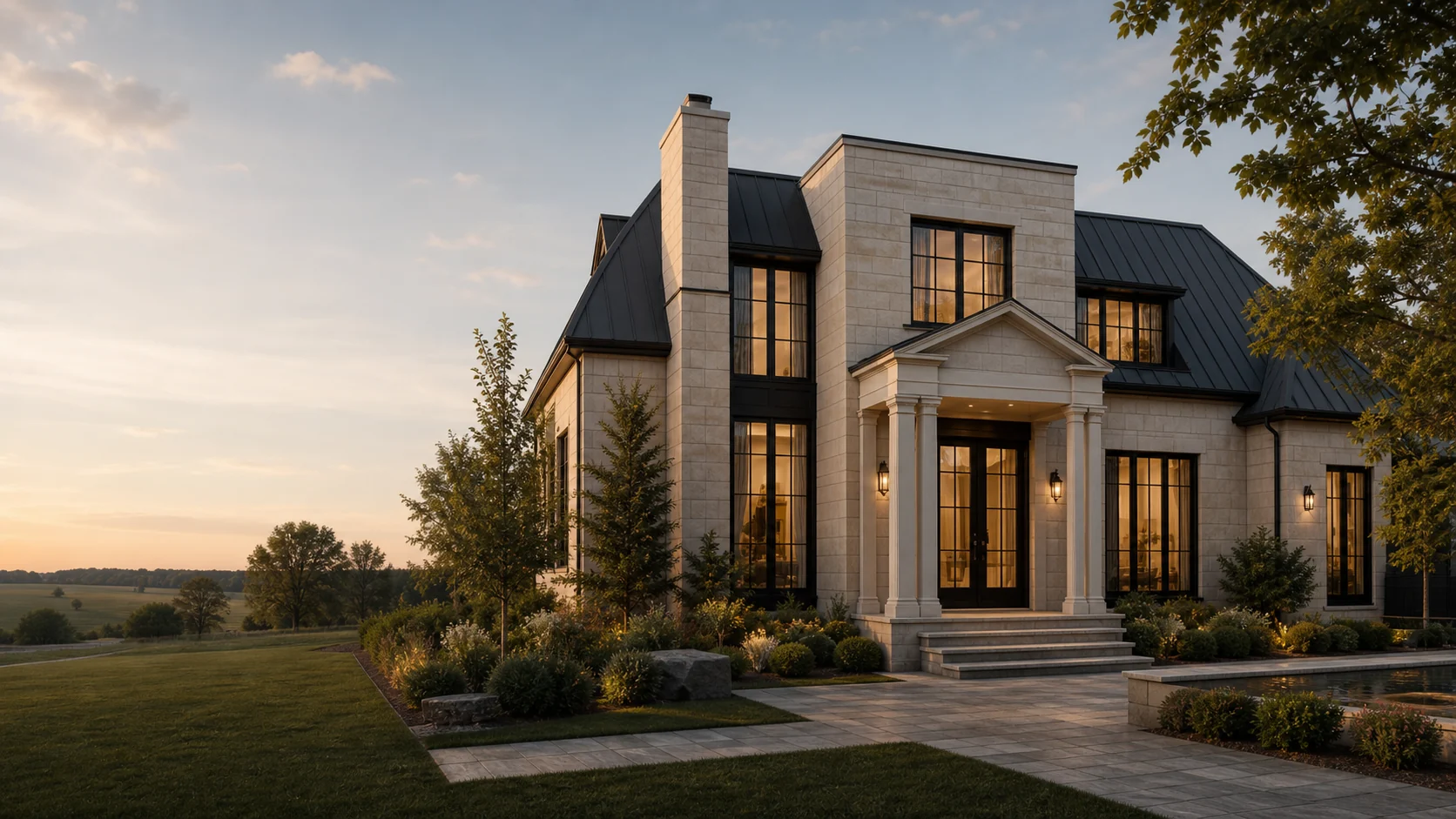
Lighting is one of the easiest places to make daily life easier, and one of the most overlooked in production homes. A single overhead fixture in the centre of a room creates harsh shadows and leaves corners dark. In a custom home, lighting can be layered: ambient, task, and accent.
Dimmers on the main lights in living and dining rooms let you adjust the mood from bright and energetic to soft and relaxing. Under-cabinet lights in the kitchen make food prep safer and more pleasant. A light in the pantry that comes on when the door opens saves the fumbling for a switch. In the bathroom, a light above the mirror rather than directly overhead puts the light on your face, not on the top of your head, which is more flattering and more useful for shaving or makeup.
Motion-sensor lights in hallways, closets, and the laundry room are a small luxury that quickly becomes indispensable. You never walk into a dark room with your hands full. The lights turn on automatically and turn off after a few minutes, saving energy and frustration.
The little things in the bathroom
Bathrooms are small spaces where poor design creates daily annoyance. A custom home can get these right with minimal extra cost.
Consider the shower. A niche for shampoo and soap at standing height means no bottles on the floor or hanging from a caddy. A bench or ledge for shaving legs or resting a foot is a simple addition. A handheld sprayer makes cleaning the shower walls and rinsing off children or pets much easier. The shower door should be a frameless glass panel that swings both ways, or a sliding door on a track that does not collect soap scum.
In the vanity area, outlets near the mirror for electric toothbrushes and razors, ideally inside a drawer so the counter stays clear. A tall drawer for hair dryers with an outlet built inside the drawer itself. Towel hooks instead of bars, because hooks are easier for children and do not require perfectly folded towels.
Heated floors in the bathroom are not a luxury for cold mornings only. They also help dry the floor after a shower, reducing the chance of mildew. A timer on the floor heating ensures it runs only when needed.
Kitchen details that disappear
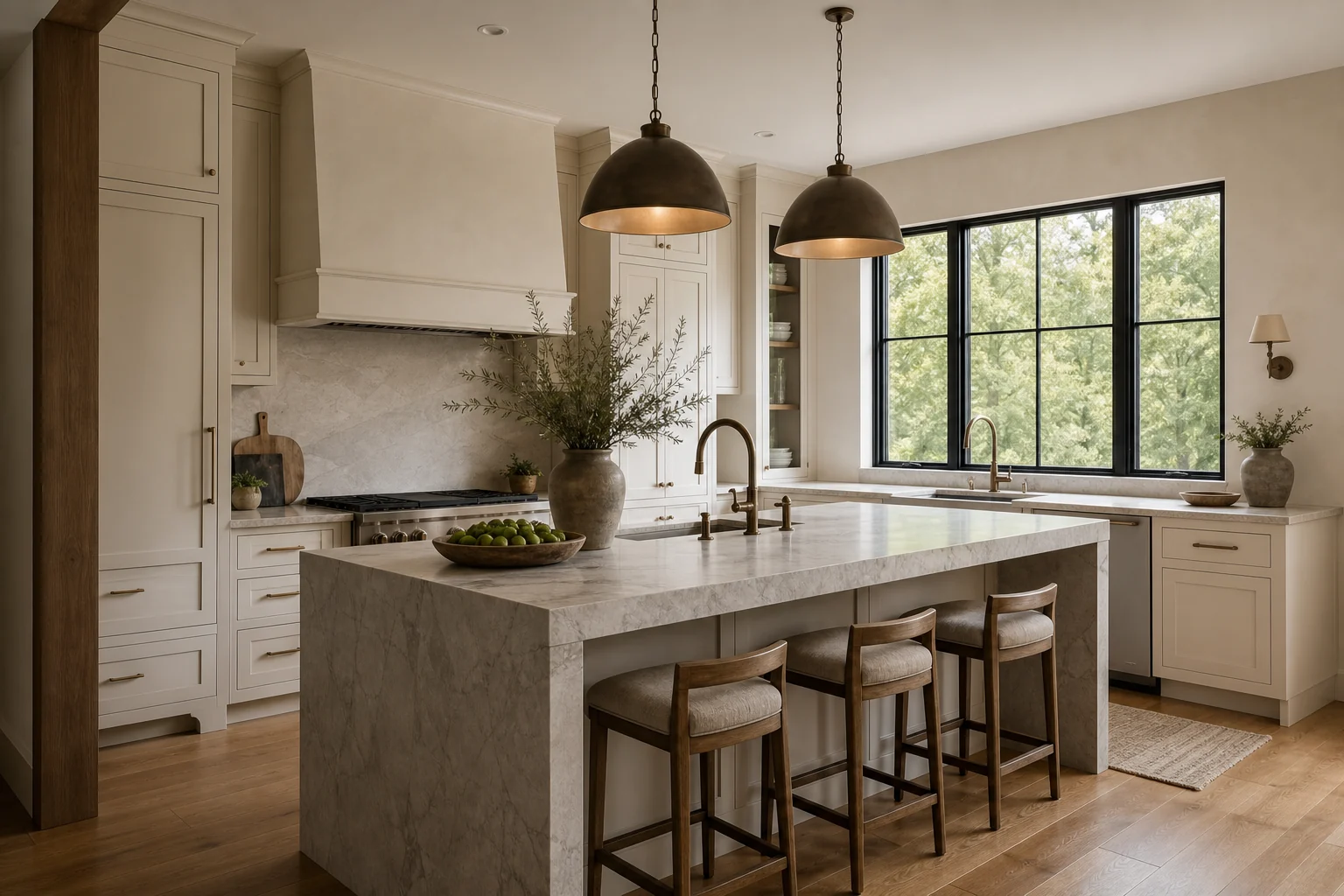
The kitchen is the most used room in most homes, and its details have an outsized effect on daily life. Beyond storage and lighting, a few specific choices make a big difference.
A deep, single-basin sink is more useful than a divided one. You can wash large baking sheets, stockpots, and even a small child in a single basin. A pull-down faucet with a spray head that reaches all corners of the sink makes rinsing and cleaning easier.
Countertops should be chosen for maintenance as much as appearance. A material that requires annual sealing or special cleaners will feel like a chore. Quartz or a good-quality solid surface is low maintenance and forgiving. A small ledge or backsplash that curves up from the counter, rather than a sharp corner, prevents grime from collecting in the crevice.

The range hood should vent to the outside, not recirculate through a filter. Recirculating hoods remove some grease and odours but do little for moisture or fine cooking particles. An externally vented hood keeps the kitchen air fresh and prevents cooking smells from lingering.
Laundry and utility spaces
Laundry is a chore that can be made much less unpleasant with good planning. A custom home can include a laundry room that is not a cramped afterthought.
The sink should be deep enough for hand-washing or soaking stains. Counter space for folding should be at least as long as the longest item you iron or fold. Upper cabinets store detergents and supplies out of sight. A hanging rod for items that cannot go in the dryer saves a trip to the closet. The floor should be a material that does not mind occasional water: tile or luxury vinyl, not hardwood.
If the laundry is on the second floor, a laundry chute from the bathroom or hallway is a delightful convenience. Even a simple drop-down hamper in the bathroom wall, with a door that opens into the hallway for collection, cuts down on carrying laundry baskets up and down stairs.
Thoughtful circulation and flow
How you move through a home affects your comfort more than any single room detail. A well-planned layout reduces backtracking and keeps noise contained.
A direct path from the garage to the kitchen for groceries, without going through the living room, is a detail that reveals itself every time you unload the car. A mudroom that connects to the garage and has a bench for removing shoes keeps dirt from spreading into the house. The kitchen should have a clear line of sight to the dining and living areas so you can talk to guests while cooking, but it should also have a way to close off the noise of appliances when needed.
Bedrooms should be grouped together, away from the main living areas, so that noise from the TV or conversation does not disturb sleepers. A hallway with a closet at each end can serve as a sound buffer.
Craftsmanship that lasts
All these details depend on the quality of the construction behind them. A drawer that slides smoothly for twenty years, a door that never sticks, a window that opens and closes with one finger: these are the result of careful framing, proper hardware, and skilled installation. This is where custom home craftsmanship shows its value. A home built with attention to the structure, not just the finishes, will feel solid and quiet. Floors do not squeak. Walls are straight. Trim fits tight.
Much of this comes down to the builder's approach. A builder who takes time to frame walls on 16-inch centres, use proper joist hangers, and seal air leaks will produce a house that performs better and lasts longer. That kind of work is not always visible, but it is felt every day in the comfort and durability of the space.
Hache Homes, a custom home builder serving Brantford and Brant County, focuses on these structural details as part of their design-build process. By planning the home from foundation to finish, they can integrate the small conveniences that make a house feel effortless. That integration is what separates a house that looks good in photos from one that works well in real life.
Putting it together
The goal of a custom home is not to impress visitors. It is to make the people living there feel taken care of. Every detail that removes a small frustration, that makes a task easier, that keeps a space clean with less effort, contributes to that feeling. The best homes are the ones where you never have to think about the house. You just live in it, and everything works.
Hache Homes approaches this by starting with a conversation about how you actually live. What do you do in the kitchen? Do you work from home? Do you have children or elderly parents visiting often? Do you entertain? The answers shape the layout, the storage, the lighting, the materials. The result is a home that fits you, not a generic plan that you have to adapt to.
When you walk into a home built this way, you might not be able to point to any single feature and say "that is why it feels good." But after a week, you notice that you are not bumping into things. You are not searching for light switches. You are not frustrated by the kitchen layout. That is the sign of good craftsmanship: a home that disappears into the background of your life.